



The book of 1 Samuel is the eighth book of the Bible. This book shows an important time of change in Israel’s history. This book connects the time of the judges with the beginning of the monarchy. Also, it explains how God chooses and prepares leaders, answers prayers, corrects disobedience, and blesses those who remain faithful to him. Through the stories of Hannah, Samuel, Saul, and David, this book, 1 Samuel, teaches us the lasting lesson about obedience, humility, repentance, and godly leadership.
Throughout the chapters of this book, we see divine purpose in both obedience and judgment, and God’s heart for leaders whose hearts are turned toward him.
1 Samuel: A Spiritual Journey Through Leadership, Obedience & God’s Sovereignty
1. Hannah’s Prayer & Samuel’s Birth (1 Samuel: 1-3)

In the first chapter of 1 Samuel, Hannah was deeply sad because she could not have a child. She prayed sincerely to God at the church and promised to dedicate her son to Him. Later God answered her prayer, and Hannah gave birth to a child named Samuel. Then she faithfully kept her promise and gave Samuel to serve the almighty God from Childhood. Later, Hannah offers a powerful song of praise, lifting God’s holiness and authority, while Eli’s sons dishonored God through corrupt leadership. In chapter 3, God personally calls young Samuel during the night and establishes him as his prophet.
From chapters 1-3 of 1 Samuel, we understand that God hears sincere prayer, honors humility and obedience, and speaks to those who are attentive and willing, no matter their age.
2. The Ark and the Glory of God (1 Samuel: 4-7)
In these chapters of 1 Samuel, Israel wrongly treats the Ark of the Covenant as a sacred object instead of walking in true obedience to God. Because of this, they suffer defeat, and the ark is captured by the Philistines. However, God clearly shows his supreme power in Philistine territory by bringing judgment on their cities until the Ark is returned. Then in chapter 7, Samuel calls Israel to repentance, prayer, and wholehearted devotion at Mizpah. As the people turn back to God, he protects them from their enemies.
Through these chapters, we learn that obedience matters more than symbols, and true revival begins with repentance.
3. Israel Demands a King (1 Samuel 8-12)
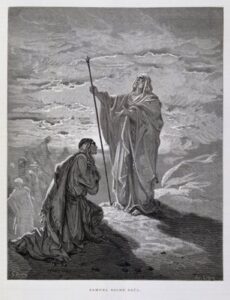
Here, Israel demands a king so they can be like other nations, which shows their rejection of God’s rule over them. This choice warns against copying worldly systems instead of trusting God’s perfect plan. Then God often chooses and anoints Saul as Israel’s first king, and at the beginning, Saul shows humility and dependence on God. However, leadership requires continued spiritual growth along with authority. Then in chapters 11 & 12, Samuel delivers his farewell address by reminding Israel of God’s faithfulness and clearly warning them to remain obedient. He courageously speaks the truth even as his leadership role comes to an end.
From these chapters, we get to know that God calls leaders, but obedience and faithfulness must guide both leaders and people.
4. Saul’s Disobedience & Rejection (1 Samuel: 13-15)
Here, Saul disobeys God because of fear and impatience, and he fails to wait for God’s instruction. This shows that waiting on God is an important act of faith. Then Jonathan steps forward with strong faith and complete trust in God, which brings victory to Israel, while Saul’s pride and careless decisions create hardship for the people. Later, Saul again disobeys God by only partially following God’s command and then trying to justify his actions. Through Samuel, God declares that obedience is better than sacrifice, which shows that faith opens the door for God’s power, but pride and partial obedience can lead to rejection.
5. God Chooses David (1 Samuel: 16-20)

In chapters 16-20 of 1 Samuel, God rejects Saul and chooses David as Israel’s future king. God looks at David’s heart, not his appearance, and anoints him through Samuel. David shows great faith by defeating Goliath and grows in popularity. Though Saul becomes jealous and tries to kill him, but David remains humble, patient, and respectful to God’s authority. Also, Jonathan’s loyal friendship supports David during the difficult time. This incident shows that God values a faithful heart, and his promises are fulfilled in his perfect time, even through trials.
6. David’s Trials & Saul’s End (1 Samuel: 21-31)
In 1 Samuel chapters 21-31, David goes through many trials while escaping from King Saul. Though he faces danger, rejection, and hardship, but David continues to trust God and refuses to harm Saul by honoring God’s authority. He learns patience, dependence on God, and leadership through suffering. Meanwhile, Saul moves further away from God because of fear, jealousy, and continued disobedience. Without God’s guidance, Saul’s life ends in defeat & tragedy. And the book of 1 Samuel closes with Saul’s death in battle, marking the end of his reign and preparing the way for David’s future kingship. These chapters shows that God shapes leaders through hardship, but disobedience and pride can lead to downfall, whereas faithfulness, patience, and trust in God bring lasting purpose.
Significance of 1 Samuel
- It shows the transition from judges to kingship in Israel’s history, also it reveals that God is the true King, even when human leaders are appointed.
- This book highlights the power of sincere prayer through Hannah’s life and demonstrates the importance of dedicating blessings back to God.
- Also, 1 Samuel teaches that God speaks to obedient and listening hearts, as seen in Samuel, and he emphasizes that religious symbols cannot replace obedience.
- Illustrates God’s supremacy over enemies and nations.
- This book also warns against rejecting God’s guidance for worldly alternatives and establishes the biblical truth that obedience is better than sacrifice.
- Also, teaches that God looks at the heart, not outward appearance, and contrasts Saul’s pride and fear with David’s faith and humility.
- The book of 1 Samuel highlights the values of godly friendship, which is seen in David and Jonathan. Additionally, it highlights the importance of waiting for God’s timing.
- It teaches that faith empowers victory over seemingly impossible situations and explains that God raises and removes leaders according to His will.
- In addition, this book prepares the foundation for David’s kingship and the Messianic line.
Final Words
The book of 1 Samuel powerfully illustrates that God is sovereign over leaders and nations. Though leadership changes, God’s authority remains the same. Through Hannah, Samuel, Saul, and David, it teaches that God values obedience, humility, and faith. As God shapes leaders through trials, blesses faithfulness, judges pride, and fulfills his purpose in perfect timing. Ultimately, this book prepares the foundation for God’s chosen king, David, and points toward God’s greater redemptive plan through righteous leadership.
FAQs (Frequently Asked Questions)
What is the central theme of the book of 1 Samuel?
The central theme of 1 Samuel is God’s sovereignty in leadership, highlighting obedience, humility, and faithfulness as the true marks of godly leadership.
Why did God choose David instead of Saul?
God chose David because of his heart, faith, humility, and trust in Him. This shows that God values inner character more than outward appearance.
What leadership lessons does 1 Samuel teach?
It teaches that leadership requires obedience, humility, accountability, patience, and reliance on God rather than human strength.
Why is 1 Samuel important for believers today?
The book provides timeless lessons on prayer, obedience, leadership, repentance, faith, and trusting God’s timing in every season of life.